
What the Screen-Time Debate Means for Getting Kids Active
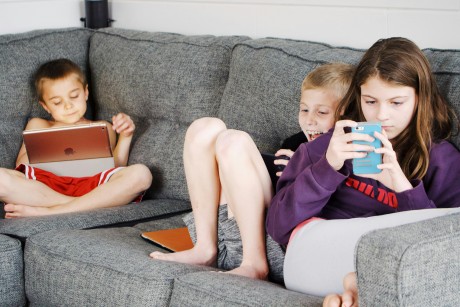
The recent Guardian profile of Dr Rangan Chatterjee cuts through the noise with a confronting message: our collective failure to regulate screens is failing a generation of children.
While the article focuses on mental health, sleep and social development, there’s a critical layer that deserves equal attention physical activity is being quietly displaced, and kids are paying the price.
At Fit For Kids Co, this isn’t theory. We see it every week.
The Real Issue Isn’t Screens: It’s What They’re Replacing
Dr Chatterjee’s central concern isn’t that screens exist , it’s that they’re crowding out the fundamentals of healthy childhood. Time once spent climbing, running, throwing, kicking, laughing and problem-solving with peers is now absorbed by passive consumption.
When screens increase, three things consistently decrease:
-
- Unstructured movement
-
- Face-to-face social interaction
-
- Opportunities to build physical confidence
Movement isn’t just “exercise”. For kids, it’s how they:
-
- Regulate emotions
-
- Build resilience
-
- Learn cooperation and communication
-
- Develop self-esteem
-
- Sleep better
When movement disappears, everything else becomes harder.
We’re Seeing the Consequences in Real Time
The article highlights rising anxiety, poor sleep, posture issues and delayed development. In active settings, the physical knock-on effects are just as clear:
-
- Kids fatigue faster
-
- Basic coordination is weaker
-
- Confidence drops when tasks feel “hard”
-
- Social withdrawal increases
-
- Frustration tolerance is lower
This isn’t about talent, it’s about exposure. Many kids simply haven’t had enough positive movement experiences.
Movement Is Preventative Health (Not an Optional Extra)
Dr Chatterjee argues that modern health systems are overwhelmed because they treat symptoms, not causes. The same applies to kids’ wellbeing.
Regular, enjoyable physical activity:
-
- Improves mental health outcomes
-
- Reduces stress and anxiety
-
- Supports healthy sleep patterns
-
- Builds social skills naturally
-
- Strengthens identity and self-belief
Why “Just Telling Kids to Be Active” Doesn’t Work
One of the most important takeaways from the article is compassion. Screens have become the default babysitter because families are busy, stressed and time-poor.
That’s why activity needs to be:
-
- Structured but fun
-
- Inclusive, not intimidating
-
- Skill-building without pressure
-
- Social, not isolating
Kids don’t need elite training.
They need positive, repeatable experiences that make movement feel safe and rewarding.
That’s the gap Fit For Kids Co exists to fill.
The Opportunity We’re Missing
Dr Chatterjee talks about prevention needing a long-term plan. For kids, that plan starts with movement habits, early and often.
Every session of play, sport or movement is:
-
- Time not spent scrolling
-
- A chance to reconnect with their body
-
- An opportunity to build confidence offline
-
- A step toward lifelong health
We don’t need to ban screens tomorrow to make progress.
But we do need to deliberately rebalance childhood.
Less Scrolling. More Playing. Better Outcomes.
The screen-time conversation will continue, and it should. But the solution doesn’t live in restriction alone.
It lives in replacing screens with something better.
At Fit For Kids Co, that “something better” is simple:
-
- Move often
-
- Play socially
-
- Build confidence
-
- Make activity enjoyable again
Because when kids move, everything else gets easier.