
Why Getting Kids Moving Regularly Matters More Than Ever
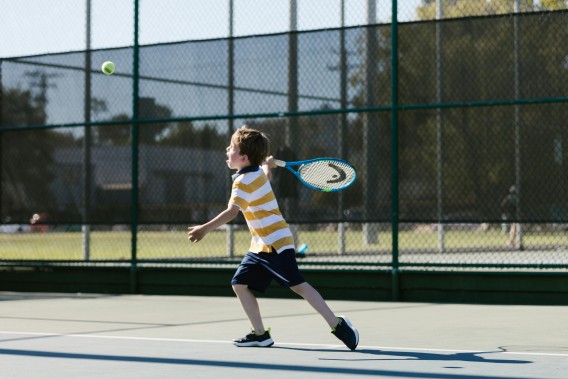
Screens are now part of everyday life for children. Phones, tablets, gaming consoles and streaming services are woven into how kids learn, socialise and and even just connect with their peers. But growing research is making one thing increasingly clear: when screens begin to replace movement, sleep and real-world play, kids’ health and wellbeing can suffer.
For parents, the challenge isn’t eliminating screens altogether, it’s creating balance. And one of the most powerful tools we have to restore that balance is regular physical activity.
At Fit For Kids Co, we see firsthand how movement supports not just physical health, but emotional regulation, confidence and happiness in children.
What the Research Is Telling Us (In Simple Terms)
Large international studies following thousands of children over many years are now showing consistent patterns:
-
- Earlier access to smartphones is linked to poorer sleep and higher rates of childhood obesity
-
- Higher screen use is associated with reduced attention, slower processing speed and weaker memory
-
- Increased social media use correlates with higher rates of anxiety, low mood and emotional dysregulation
-
- Screen use late in the day negatively impacts sleep quality, which affects mood, learning and behaviour
Importantly, researchers are finding that it’s not just how much screen time kids have, but what it replaces, especially movement, outdoor play, social interaction and rest.
Movement as a Protective Factor
Regular physical activity plays a crucial role in buffering many of the risks linked to excessive screen use.
When kids move consistently, they are more likely to:
-
- Sleep better and fall asleep faste
-
- Regulate emotions more effectively
-
- Improve focus and attention
-
- Build physical confidence and resilience
-
- Experience better overall mental wellbeing
Movement doesn’t need to be intense or elite to be effective. In fact, play-based, enjoyable activity is often the most beneficial, particularly for younger children.
Screens vs Skills: What Kids Miss When Movement Drops
When screen time increases and movement decreases, children can miss out on developing essential life skills, including:
-
- Balance, coordination and strength
-
- Social skills like teamwork, communication and empathy
-
- Problem-solving through play
-
- Confidence in their own physical abilities
These skills are built through doing, not watching, and they form the foundation for lifelong health.
Why Small Changes Make a Big Difference
One of the most encouraging findings from recent research is that small, consistent reductions in screen use for even as little as one hour a day, are linked to better long-term wellbeing.
Replacing that hour with:
-
- Active play
-
- Sport or movement sessions
-
- Outdoor time
-
- Family walks or bike rides
can significantly improve a child’s quality of life.
This isn’t about strict rules or guilt. It’s about gently reshaping daily routines so movement becomes a normal, expected part of life.
The Role of Adults: Modelling Matters
Children take cues from the adults around them. How we use our phones, especially in the evenings, strongly influences how children view screens. Creating screen-aware habits as a family such as tech-free times, active afternoons or shared outdoor play can send a powerful message without needing constant enforcement.
Active Kids Are Healthier, Happier Kids
At Fit For Kids Co, we believe movement should be:
-
- Regular
-
- Enjoyable
-
- Age-appropriate
-
- Pressure-free
When kids move their bodies often and positively, they are better equipped to navigate the modern world, screens included.
Technology isn’t going away. But by prioritising regular movement, we can help children build healthy habits, strong bodies and resilient minds that support them now and into the future.
See you outside!
Fit For Kids Co.